“Man is by nature a seeker of causes.” — Aristotle.
As a chemist, my search for causes began at the molecular level, unraveling reactions, mechanisms, and methods that shaped products and processes. It was a pursuit of precision, curiosity, and truth. Yet, as vast as chemistry is, I realized that the causes shaping our world are not only found in test tubes but also in the patterns of data that drive science, business, and society.
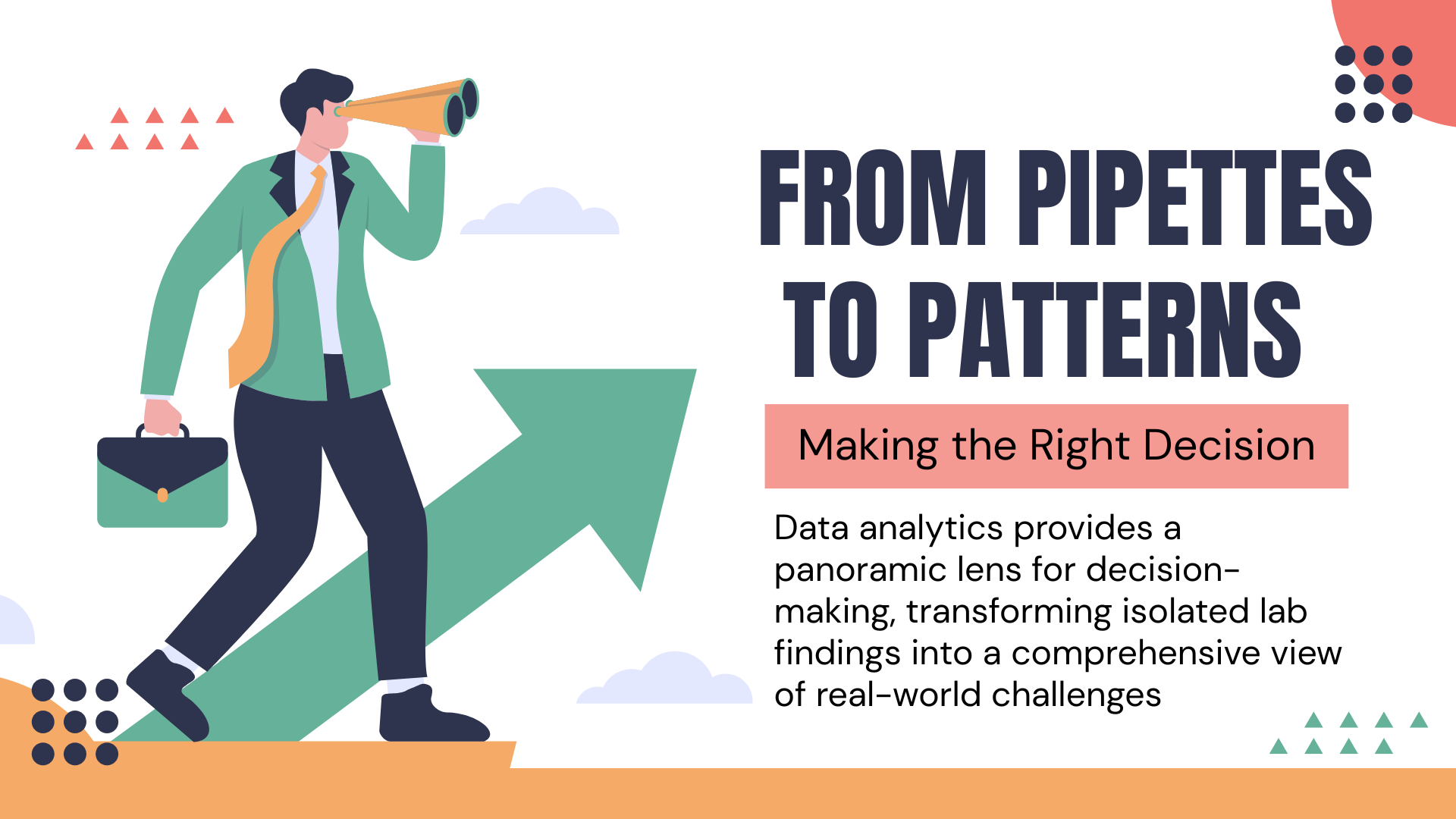
Some may argue that curiosity and discovery live best in the laboratory. But today, curiosity finds new ground in data. Consider that 90 percent of the world’s data has been generated in the last two years alone (IBM, 2017). These vast oceans of information hold the causes and consequences that define medicine, climate, economics, and technology. To remain confined to molecules would be to see only one layer of reality, while data analytics opens a panoramic view across systems, industries, and human decisions.
Data transforms isolated insights into interconnected knowledge, allowing us to see how a discovery in a lab becomes a product in a market, how patient data informs medical treatments, or how consumer behavior shapes business strategy. As Daniel Keys Moran once noted, “You can have data without information, but you cannot have information without data.”
This next step for me is not a departure from science but an elevation toward the bigger picture. Chemistry taught me the rigor of analysis. Data analytics allows me to apply that rigor to the patterns shaping industries and lives. It is the same curiosity, now stretched across a wider horizon.
Like life, careers rarely follow a straight path. They are shaped by curiosity, resilience, and the willingness to begin again. I spent ten years in chemistry labs, working in quality control, research, and product development. Over time, I realized that while molecules tell one kind of story, data tells another. In today’s world, it is data that drives decisions, strategies, and progress.
This is the story of my journey from chemistry to data analytics, why I chose this path, and what I have learned along the way.
In science, we often believe the answer lies in inventing something new : a fresh formula, a stronger material, or a better experiment. However, the real solution often lies in understanding the bigger picture.
Take food shelf life: a chemist may design a preservative that works perfectly under controlled conditions, yet in rural markets, spoilage remains high. The instinct is to blame the chemistry. But when supply chain data, temperature loggers, and sales records are analyzed together, the truth surfaces : the issue isn’t the preservative, it’s storage and transit. The solution isn’t new chemistry, but cold-chain logistics.
That’s the power of data: It moves us from only asking what is wrong to understanding whether the issue lies in the product itself, or in the bigger system around it.
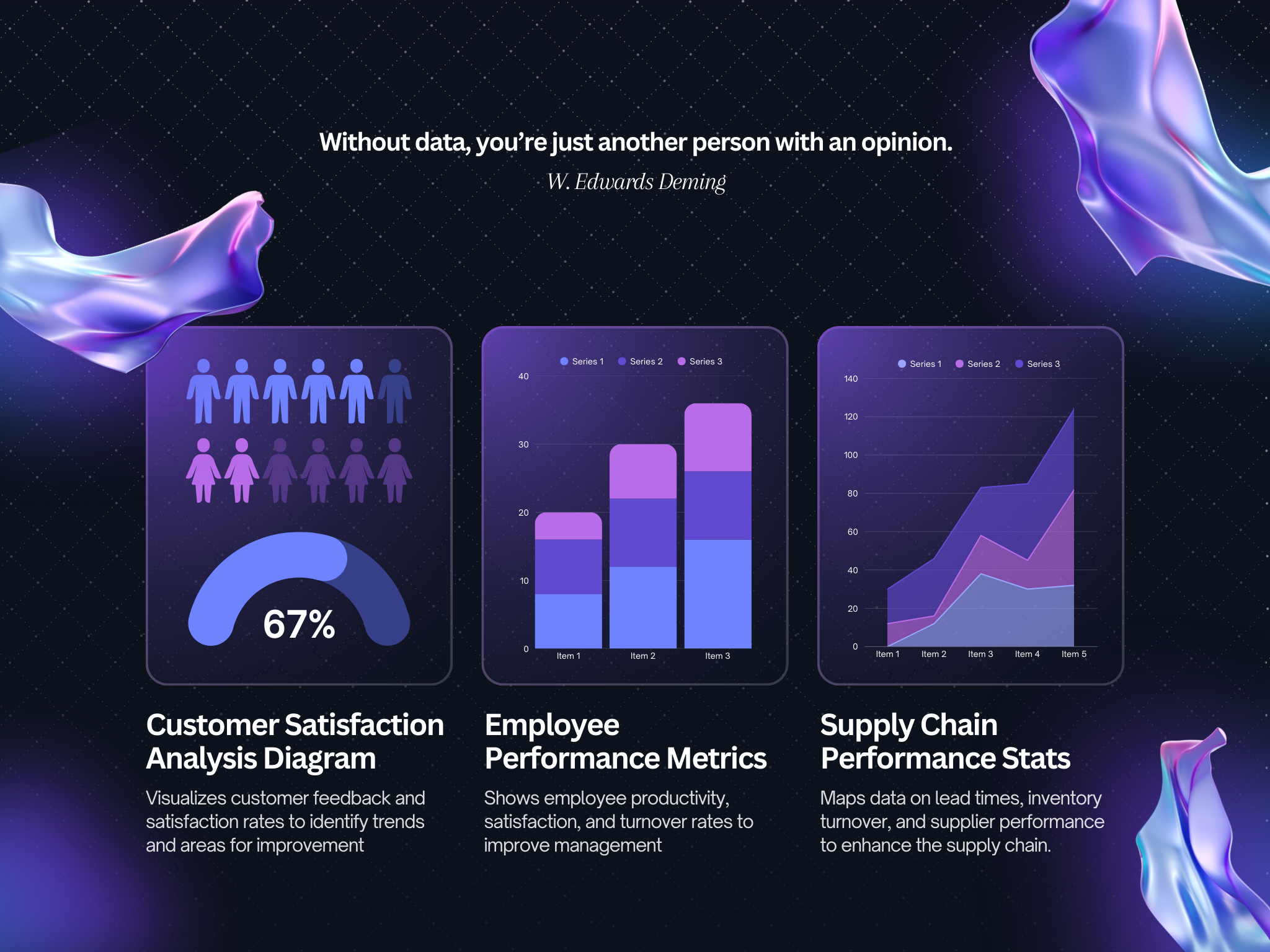
According to the International Data Corporation, the world generates over 120 zettabytes of data annually, and this figure is doubling roughly every three years. But raw numbers are not the real story. What matters is how we transform those numbers into insight. A hospital’s electronic health records are useless unless analyzed to detect patient risks early. A factory’s sensor readings mean little unless monitored to prevent costly machine downtime.
This is why industries that master data lead the future. Amazon’s growth is built not only on logistics but on predictive analytics. Netflix disrupted television by learning from viewing patterns rather than relying solely on studio instincts. Even agriculture, one of humanity’s oldest industries, is now data-driven: satellite imaging and IoT sensors help farmers maximize yield while reducing waste.
The lesson is clear. Data is not a byproduct of modern life. It is the operating system of our world. Those who know how to read it, analyze it, and act on it hold the competitive advantage in every field: from science and business to governance and personal decision-making.
According to a LinkedIn survey, 57% of employers value transferable skills (like problem-solving, communication, and project management) over direct industry experience. Even if you’re changing careers, highlight the skills that cut across industries.
A World Economic Forum report shows that 50% of all employees will need reskilling by 2025. The most successful career changers are those who embrace lifelong learning through online courses, certifications, and hands-on projects.
Research by Payscale and Jobvite reveals that 70–80% of jobs are filled through networking, not applications. Building connections on LinkedIn, attending events, and sharing your work publicly drastically increases your chances of breaking into a new field.
The future belongs to those who can turn information into understanding. Studies show that data analysis is one of the fastest growing skills in the world, with millions of new roles expected in the coming decade. What this really means is that decisions in health, business, science, and even everyday life will increasingly be shaped by evidence rather than guesswork. For me, stepping into this field is not only about building a career, it is about joining a movement that helps people and organizations see more clearly, act more wisely, and create progress that lasts.

I help businesses transform raw data into meaningful insights